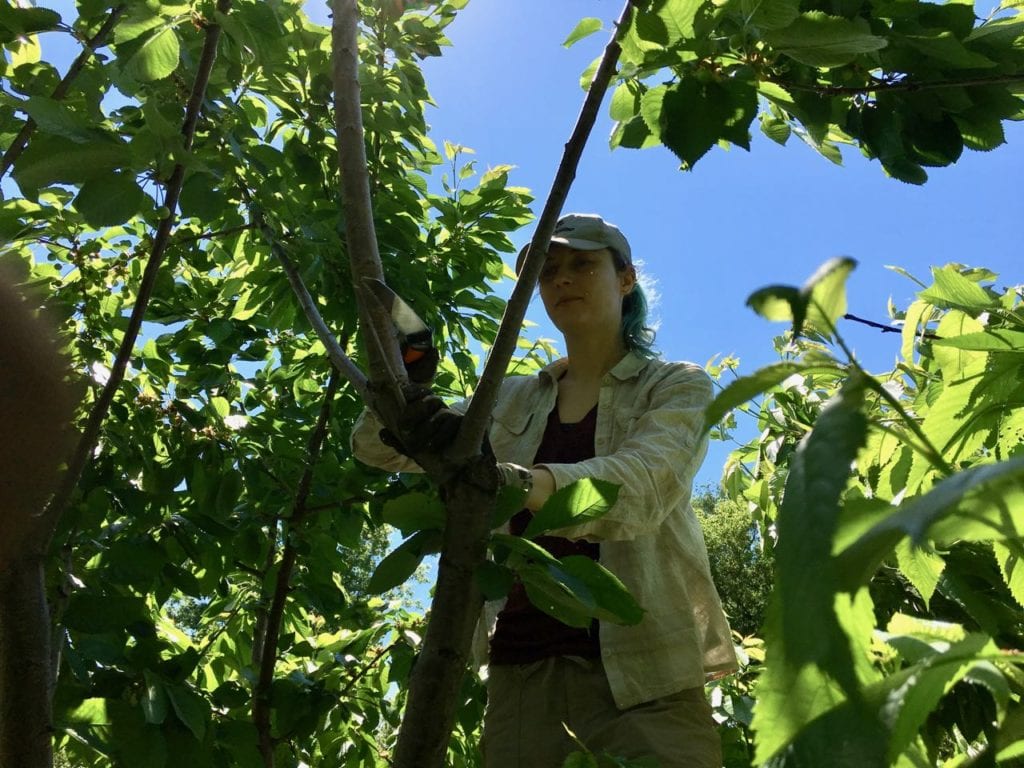
Fruit Tree Pruning / Fruit Tree Pruning Workshop Set Davis Enterprise - Pruning fruit trees will help in many ways.. One of the main reasons arborist prune fruit trees is to promote growth by removing things like dormant buds, dead branches and bark as well as disease. Berries and tree fruits are pruned november until bloom; Prune fruit trees in the winter. Summer pruning is usually done from june through august, though the greatest benefits are achieved when summer pruning is completed in early summer, when fruit are still small. In fruit trees of all ages, proper light and air circulation reduce the risk of fungal disease.
After this initial pruning, they should be pruned as little as possible until they begin to bear fruit every year, generally from five to seven years after planting. Trim your trees in summer to slow growth. When you cut away part of a plant, a wound is left, susceptible to pests and diseases. To avoid trouble, always prune so as to make small wounds, rather than large ones. In fruit trees of all ages, proper light and air circulation reduce the risk of fungal disease.
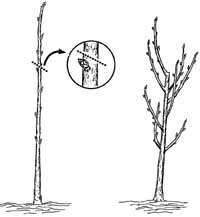
When To Prune Fruit Trees Orchard People Fruit Tree Care from orchardpeople.com Begin by removing dead wood and broken branches. Horizontal wood produces more fruit than vertical wood. Trim your trees in summer to slow growth. If you're wondering when to prune your fruit trees, the answer to that question depends on your goals. Different types of fruit trees behave differently and require different amounts of pruning. Training involves tree development and form, whereas pruning involves tree function and size. This cut will encourage the tree to develop three to four branches that will eventually become the main branches of the tree (figure 12). Pruning unbranched trees or whips the trunk and branches of a new fruit tree may require pruning immediately after planting.
When planting new trees, trim any branches below 24 inches.
Pruning is meant to determine how and when the tree will fruit. The pruning wounds also heal the best at this time and it's also easier to see the buds to work around them. All fruit trees need to have any dead wood removed on an annual basis. You will want to prune in the winter and get rid of your tree's oldest branches. If your tree has not been pruned in several years, a more vigorous trim may be necessary. Right after planting a new tree, cut it off to a short stick 24 to 30 inches high and cut any side. There are big differences in how you prune different fruit species. Fruit tree pruning can be done in winter, spring or early summer. Prune young trees when you plant them. In the winter, your fruit tree is dormant (and therefore not producing any leaves or fruit). When you cut away part of a plant, a wound is left, susceptible to pests and diseases. The best time to prune a fruit tree is in late winter or early spring while the tree is still dormant and before new growth begins. This leader is the newest extension of a long, upright growing trunk from which all lateral branches arise.
Some fruit species need no training but do need other pruning procedures to maintain a healthy fruitful tree. Summer pruning is usually done from june through august, though the greatest benefits are achieved when summer pruning is completed in early summer, when fruit are still small. One of the main reasons arborist prune fruit trees is to promote growth by removing things like dormant buds, dead branches and bark as well as disease. Prune young trees when you plant them. Pruning poles can reach to the top of trees to a height of 15 to 20 feet, which would be useful if you were pruning out something like fire blight from an apple tree.
Training And Pruning Fruit Trees 7 003 Extension from extension.colostate.edu Trim your trees in summer to slow growth. A pruning pole and handsaw are two other important tools you want to have on hand, particularly if you are growing fruit trees. All fruit trees need to have any dead wood removed on an annual basis. When planting new trees, trim any branches below 24 inches. Do you want to reduce the size of a vigorous tree? In fruit trees of all ages, proper light and air circulation reduce the risk of fungal disease. Some fruit species need no training but do need other pruning procedures to maintain a healthy fruitful tree. Use pruning shears on young trees and limbs less than 1/2 inch diameter, and lopping shears for your bigger cuts.
For mature fruit trees, use a pruning saw.
To establish the basic structure, and to provide light channels throughout the tree so that all the fruit can mature well. This type of tree has a pyramidal shape with a single upright leader limb as its highest point. Pruning poles can reach to the top of trees to a height of 15 to 20 feet, which would be useful if you were pruning out something like fire blight from an apple tree. One of the main reasons arborist prune fruit trees is to promote growth by removing things like dormant buds, dead branches and bark as well as disease. After this initial pruning, they should be pruned as little as possible until they begin to bear fruit every year, generally from five to seven years after planting. Always use sharp shears or saws so your cuts are clean. Start pruning your fruit trees with the right techniques. Thin your tree out into. Prune fruit trees in the winter. If you're wondering when to prune your fruit trees, the answer to that question depends on your goals. It is most effective in early summer. A pruning pole and handsaw are two other important tools you want to have on hand, particularly if you are growing fruit trees. This article explores how pruning at different times of the year can affect your fruit tree's health and productivity.
Tree training and pruning to maintain height begins when the fruit tree is newly planted. It is most effective in early summer. Through pruning, your tree will be left with stockier, sturdier growth that can better support fruit in future seasons. Summer pruning removes leaves (food manufacturer), slows fruit ripening, and exposes fruit to sunburn. Pruning fruit trees will help in many ways.
Garden Nursery Fruit Tree Pruning Shears Scissor Grafting Cutting Tools Sets Buy Garden Nursery Fruit Tree Pruning Shears Scissor Grafting Cutting Tools Sets In Tashkent And Uzbekistan Prices Reviews Zoodmall from res.cloudinary.com Some other benefits to pruning early in a fruit tree's life also promotes a healthy root system and balanced branching as the tree grows. This article explores how pruning at different times of the year can affect your fruit tree's health and productivity. Encourage fruit to grow close to the trunk and main limbs. A small foldable hand saw will wrong ight figure 6. Training involves tree development and form, whereas pruning involves tree function and size. If your tree has not been pruned in several years, a more vigorous trim may be necessary. In fruit trees of all ages, proper light and air circulation reduce the risk of fungal disease. Thinning and heading to keep it small.
General fruit tree pruning instructions.
However, the general rule with apples, pears, plums, cherries, persimmons, peaches, apricots and plumcots is to remove 20 percent of the previous year's growth. Summer pruning can be used, however, to slow down overly vigorous trees or trees that are too large. Pruning fruit trees will help in many ways. You will want to prune in the winter and get rid of your tree's oldest branches. Pruning your pear tree every year helps to promote its growth and ability to bear fruit in addition to protecting it from infections. It will help with fruityields, reduce transplant shock, increase air flow, disease reduction,and keeping the over. Right after planting a new tree, cut it off to a short stick 24 to 30 inches high and cut any side. After this initial pruning, they should be pruned as little as possible until they begin to bear fruit every year, generally from five to seven years after planting. This leader is the newest extension of a long, upright growing trunk from which all lateral branches arise. Trees with fruit growth and development. Encourage fruit to grow close to the trunk and main limbs. The best time to prune a fruit tree is in late winter or early spring while the tree is still dormant and before new growth begins. If you're wondering when to prune your fruit trees, the answer to that question depends on your goals.